ITA
Il baco da seta (Bombyx mori) è un lepidottero che in natura non esiste. Cinquemila anni di selezione hanno trasformato alcuni suoi antenati selvatici (Bombyx mandarina) al punto da renderli una specie distinta (1). Il rapporto dell’uomo con questi insetti nasce dall’intuizione di sfruttare il bozzolo prodotto durante la metamorfosi che conduce dallo stadio larvale all’adulto per produrre un filato dalle caratteristiche ottime. La sua addomesticazione ha richiesto strumenti, ambienti controllati e gesti codificati, rendendo il baco totalmente dipendente dall’essere umano e dai suoi ambienti costruiti: da solo ora non è più in grado di sopravvivere.
La crescente sensibilità verso il benessere animale, insieme alla diffusione di materiali alternativi e all’elevato costo della seta, ha ridotto l’interesse per questo filato. Ne risultano compromesse anche le basi economiche che garantivano la continuità della specie. Diventare domestici è spesso una strategia evolutiva efficace, ma significa anche legarsi ai meccanismi del mercato—meccanismi mutevoli, dai quali può dipendere la sopravvivenza stessa della specie.
Ha senso interrompere questa relazione storica, ponendo fine allo sfruttamento dell’insetto? Oppure è preferibile darle continuità, ripensando condizioni e pratiche per renderla più responsabile?
La ricerca si propone di evidenziare come le scelte apparentemente semplici di consumatori, designer e dell’intera filiera produttiva possano in realtà influenzare e modificare meccanismi complessi. Ogni decisione—dal tipo di filato utilizzato alla gestione degli allevamenti—ha ripercussioni sulla conservazione delle specie, sulla biodiversità e sulle pratiche tradizionali.
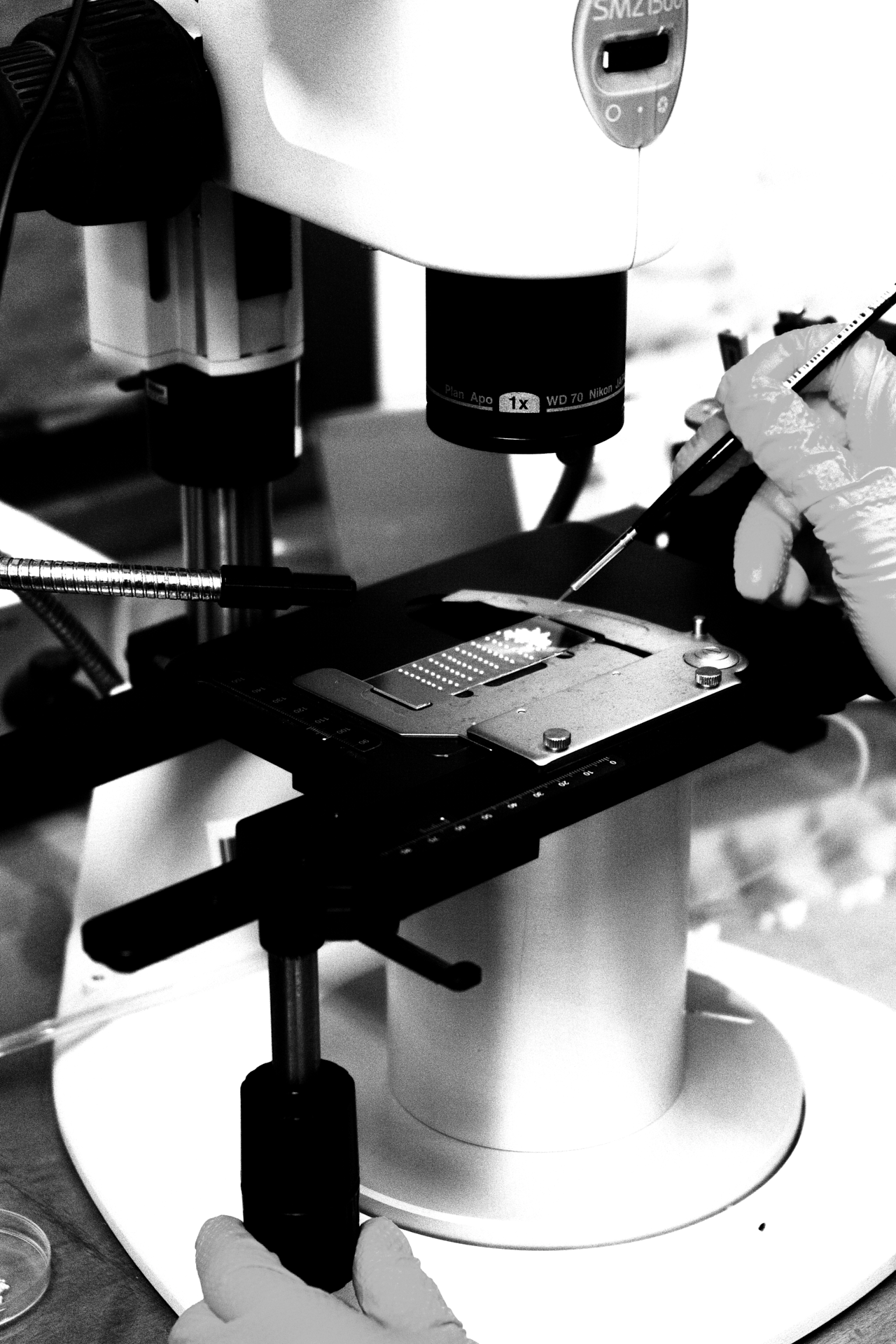
Abbiamo collaborato con il CREA di Padova, uno degli ultimi e più importanti centri di ricerca dedicati ai bachi da seta in Italia. Il CREA lavora per preservare la biodiversità, mantenere e far crescere più razze di bachi da seta e affianca gli allevamenti nella cura e nello sviluppo di questi insetti, promuovendo pratiche sostenibili e attente alla continuità della specie.
Abbiamo avuto l’onore di essere stati invitati come relatori all’ICE, l’International Congress of Entomology, tenutosi nell’edizione del 2024 a Kyoto (2).
ENG
The silkworm (Bombyx mori) is a lepidopteran that does not exist in the wild. Five thousand years of selective breeding have transformed some of its wild ancestors (Bombyx mandarina) to the point of making them a distinct species (1). Humans’ relationship with these insects began with the insight to exploit the cocoon produced during the metamorphosis from the larval stage to the adult, in order to obtain a thread of exceptional quality. Its domestication required tools, controlled environments, and codified gestures, making the silkworm entirely dependent on humans and the constructed environments: alone, it is no longer capable of surviving.
The growing sensitivity to animal welfare, together with the spread of alternative materials and the high cost of silk, has reduced interest in this fiber. Consequently, the economic foundations that guaranteed the continuity of the species are also weakened. Becoming domesticated is often an effective evolutionary strategy, but it also means tying oneself to market mechanisms—changing mechanisms on which the very survival of the species may depend.
Does it make sense to interrupt this historical relationship, putting an end to the exploitation of the insect? Or is it preferable to ensure its continuity, rethinking conditions and practices to make it more responsible?
This research aims to highlight how the seemingly simple choices of consumers, designers, and the entire production chain can actually influence and modify complex mechanisms. Every decision—from the type of thread used to the management of the farms—has repercussions on species conservation, biodiversity, and traditional practices.
We have collaborated with CREA in Padua, one of the last and most important research centers dedicated to silkworms in Italy. CREA works to preserve biodiversity, maintain and develop multiple silkworm breeds, and support farms in the care and development of these insects, promoting sustainable practices attentive to the continuity of the species.
We had the honor of being invited as speakers at ICE, the International Congress of Entomology, held in the 2024 edition in Kyoto (2).



ITA
Il progetto nasce grazie al supporto della Fondazione Cariplo in collaborazione con il Politecnico di Milano (Laboratorio Cells).
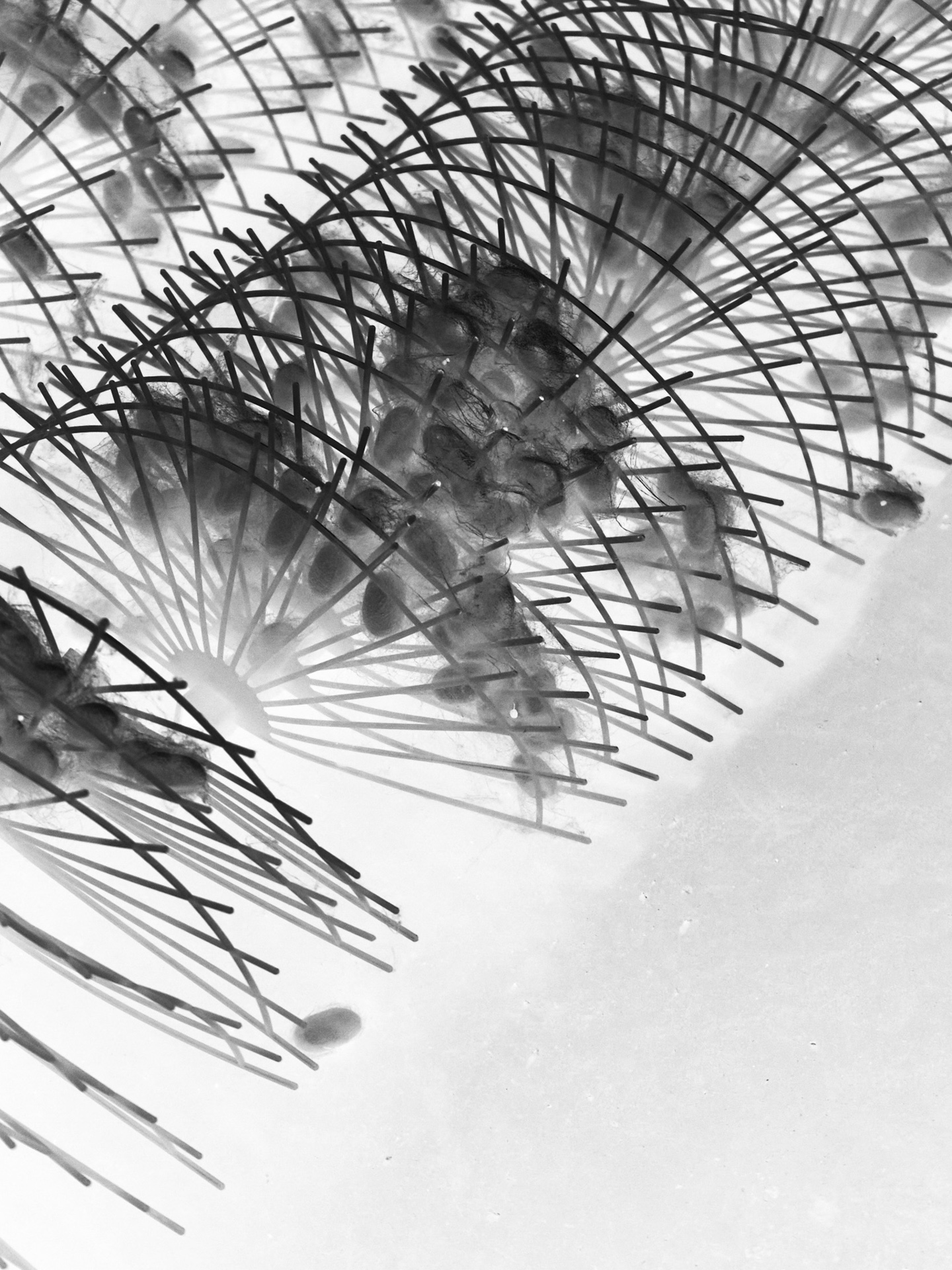
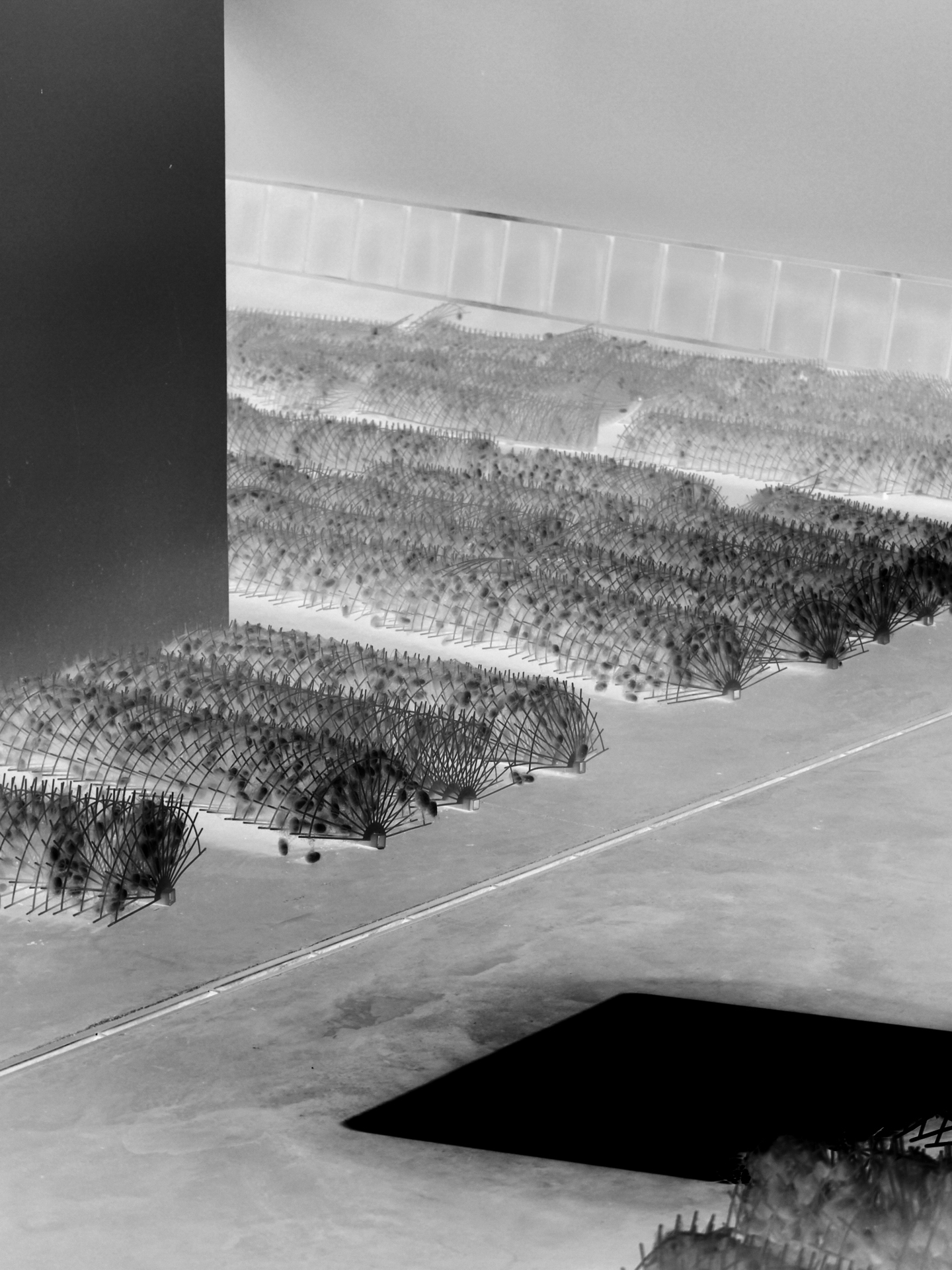
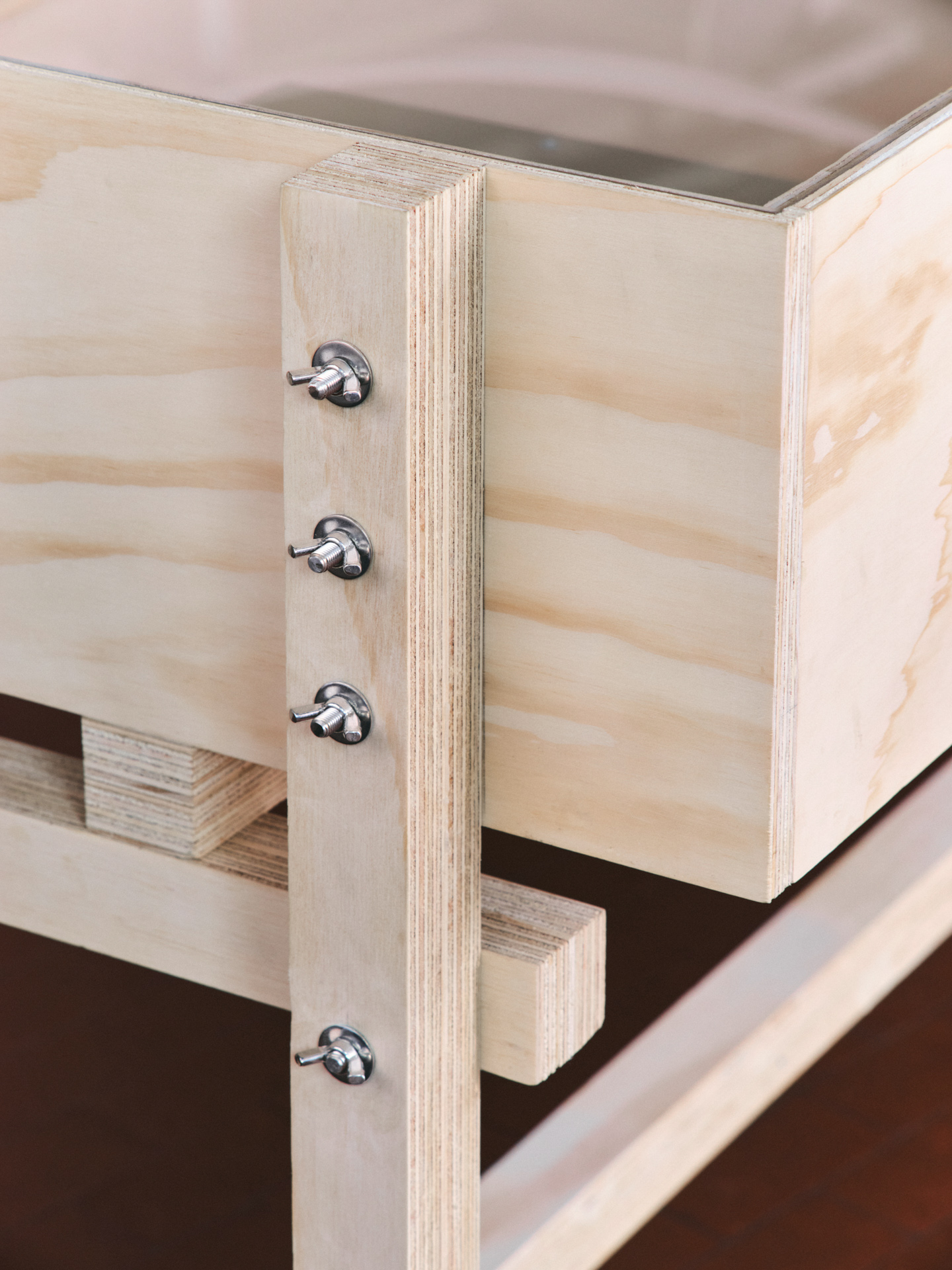
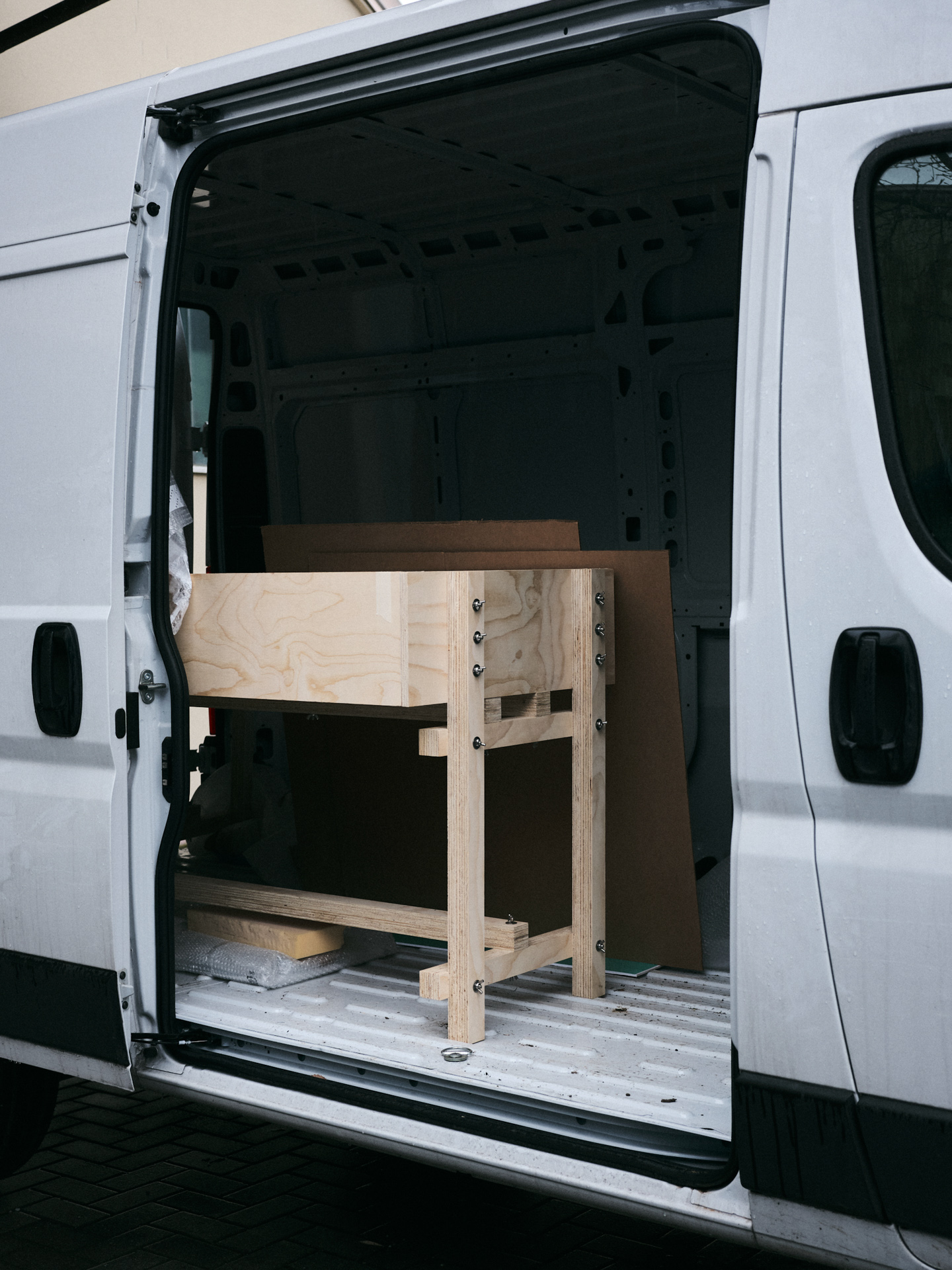
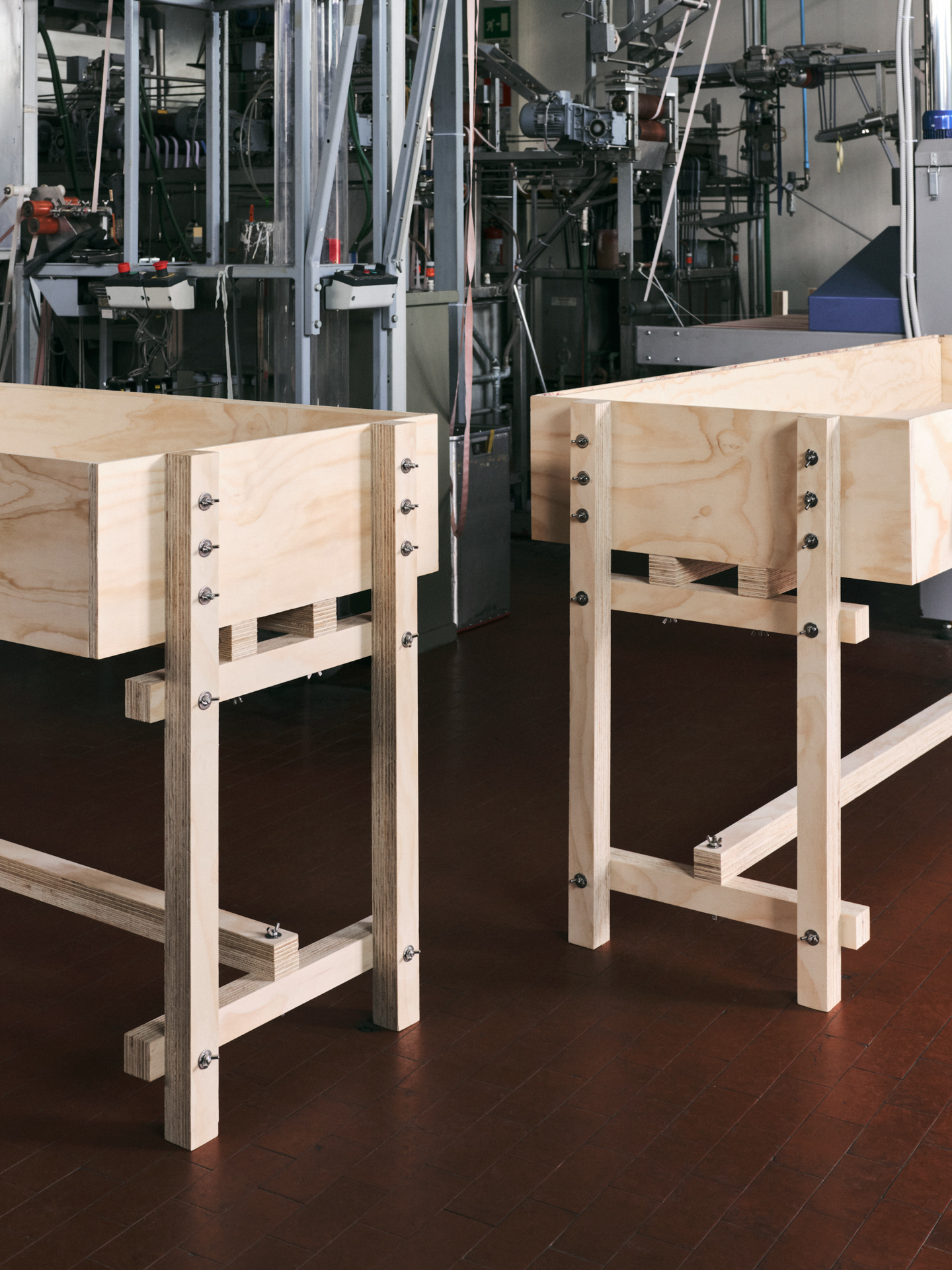
I supporti espositivi sono realizzati in multistrato e gommapiuma compressa da lastre di metallo. Questa scelta materica simboleggia la preziosità e la fragilità della vita del baco da seta, evocando al contempo la dimensione industriale e commerciale del trasporto delle merci, pilastro della sua storia millenaria.
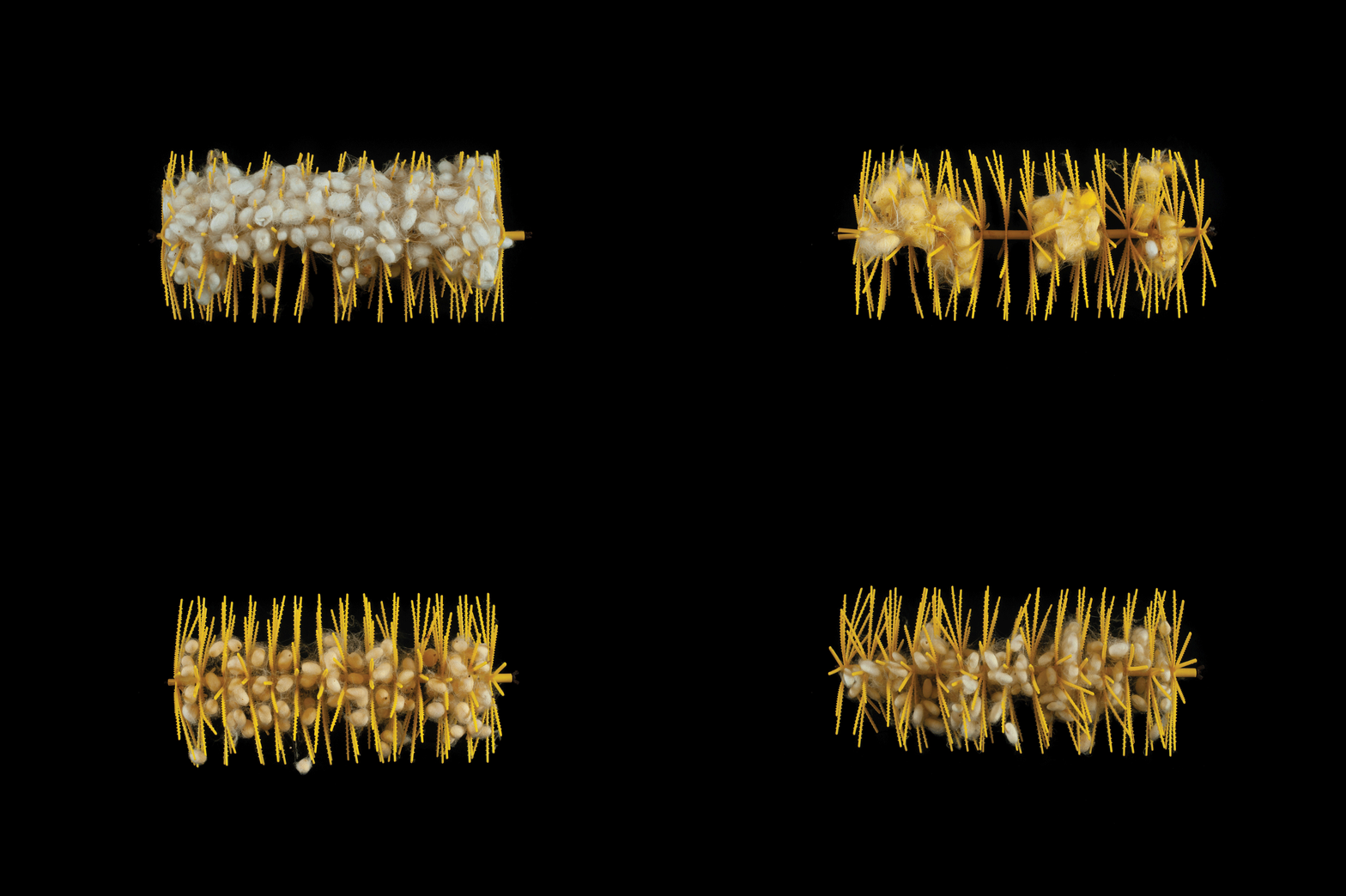
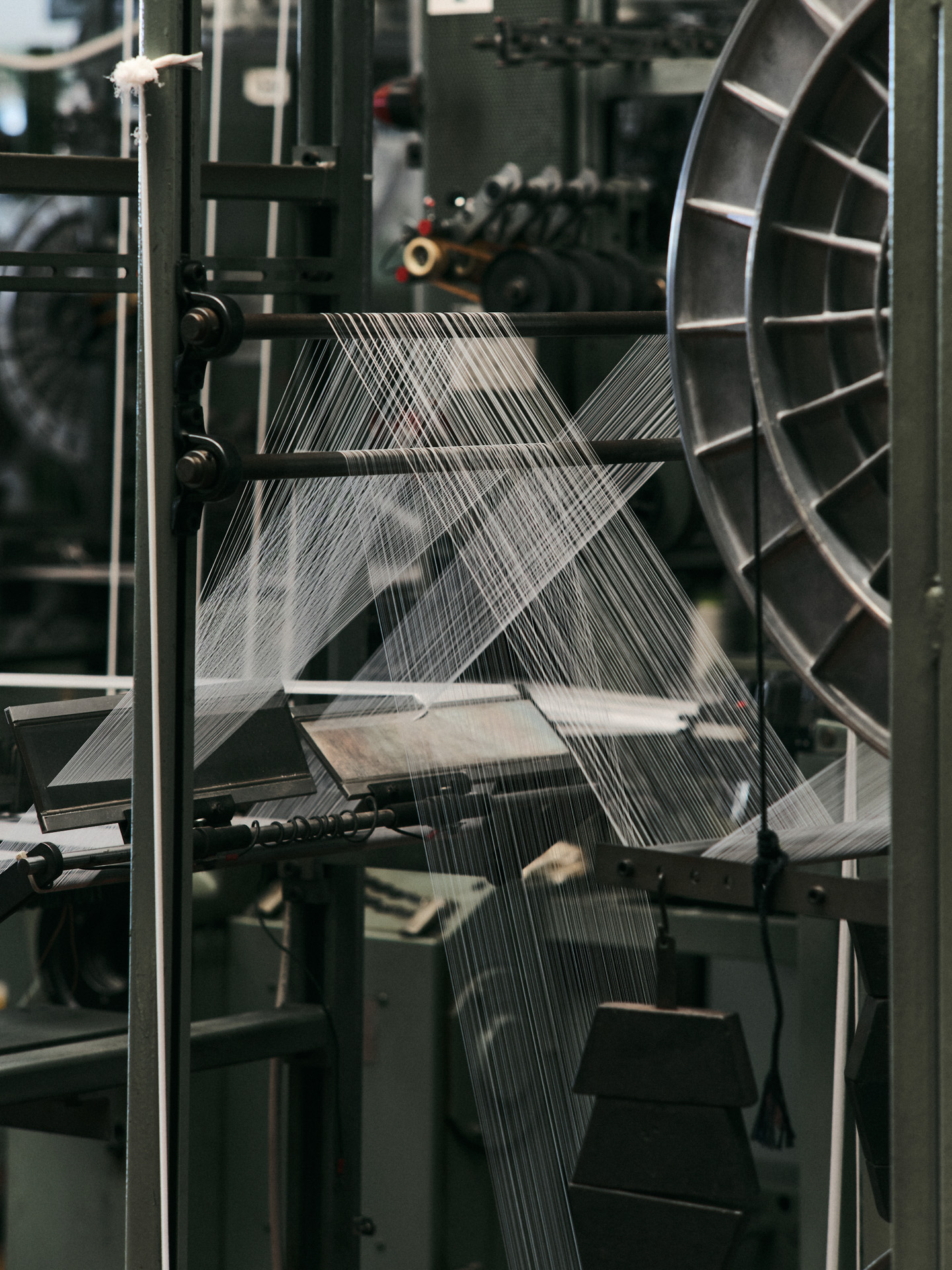
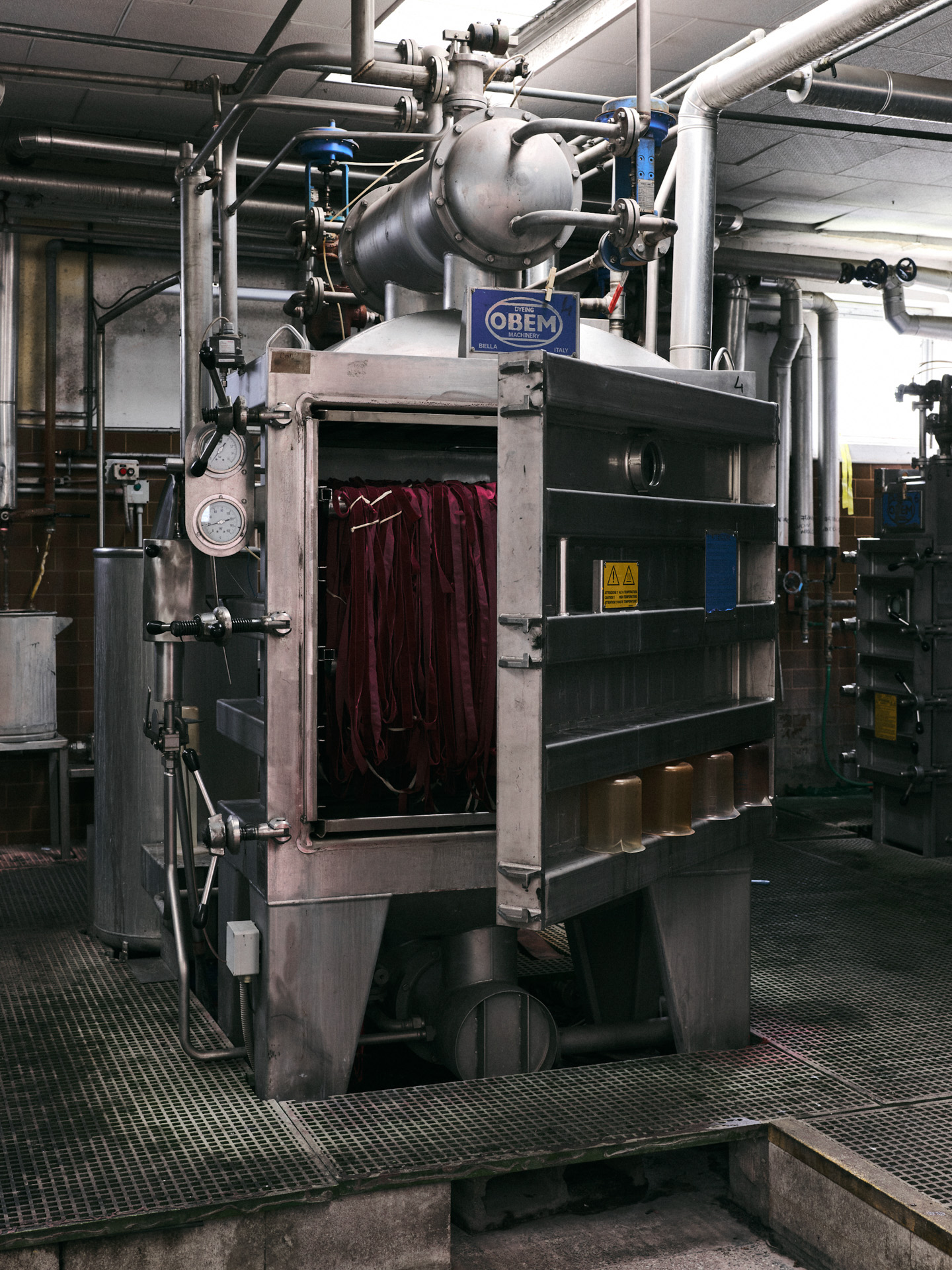
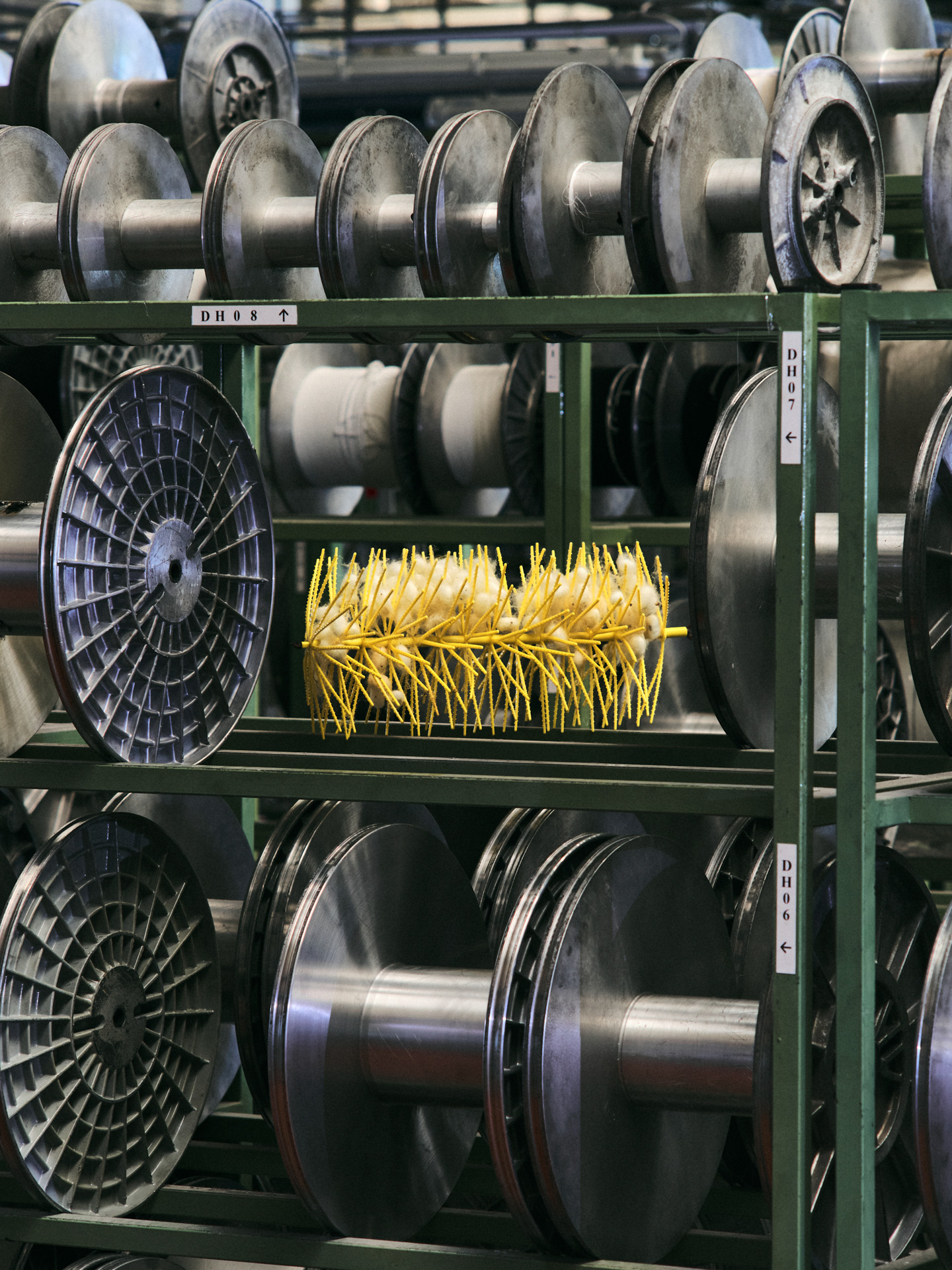
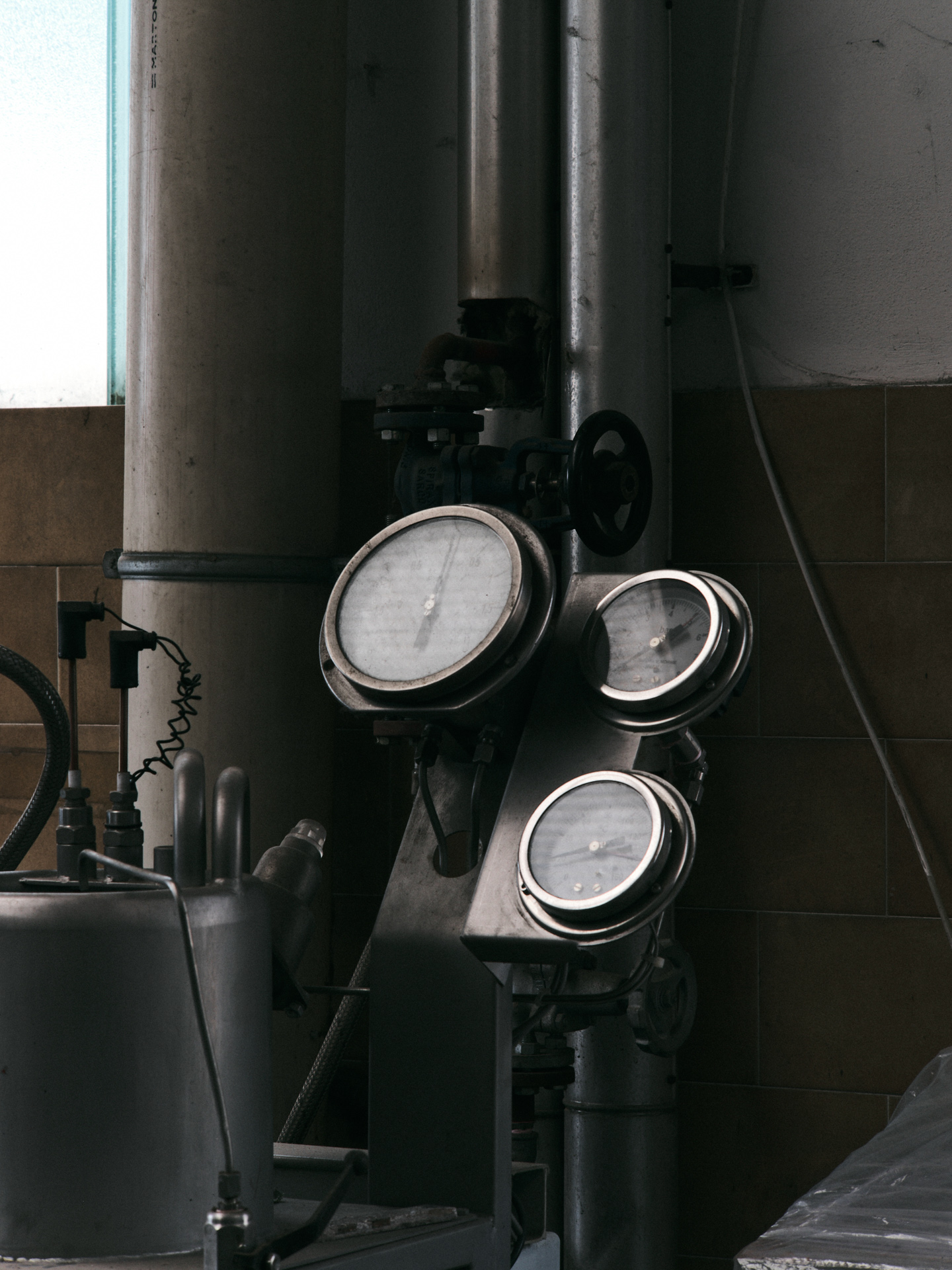
La mostra è itinerante ed è stata esposta presso Villa Zoja a Concorezzo e al museo Esapolis di Padova. Le fotografie sono di Gregorio Gonella, realizzate presso lo storico Nastrificio De Bernardi di Concorezzo.
ENG
The project was created with the support of Fondazione Cariplo, in collaboration with the Politecnico di Milano (Cells Lab).
The exhibition supports are made of plywood and foam compressed by metal plates. This material choice symbolizes the preciousness and fragility of the silkworm's life, while simultaneously evoking the industrial and commercial dimension of goods transportation—a cornerstone of its millenary history.
The exhibition is a traveling one and has been hosted at Villa Zoja in Concorezzo and the Esapolis Museum in Padua. The photographs are by Gregorio Gonella, taken at the historic De Bernardi Ribbon Factory in Concorezzo.



ITA
Nel 2023 abbiamo preso parte a "ITALY: A New Collective Landscape", la mostra curata da Angela Rui (con Elisabetta Donati de Conti e Matilde Losi) presso l’ADI Design Museum di Milano. L'esposizione raccoglie le risposte del design under 35 alle sfide ecologiche e sociali, proponendo il progetto come strumento di transizione e pratica sociale.
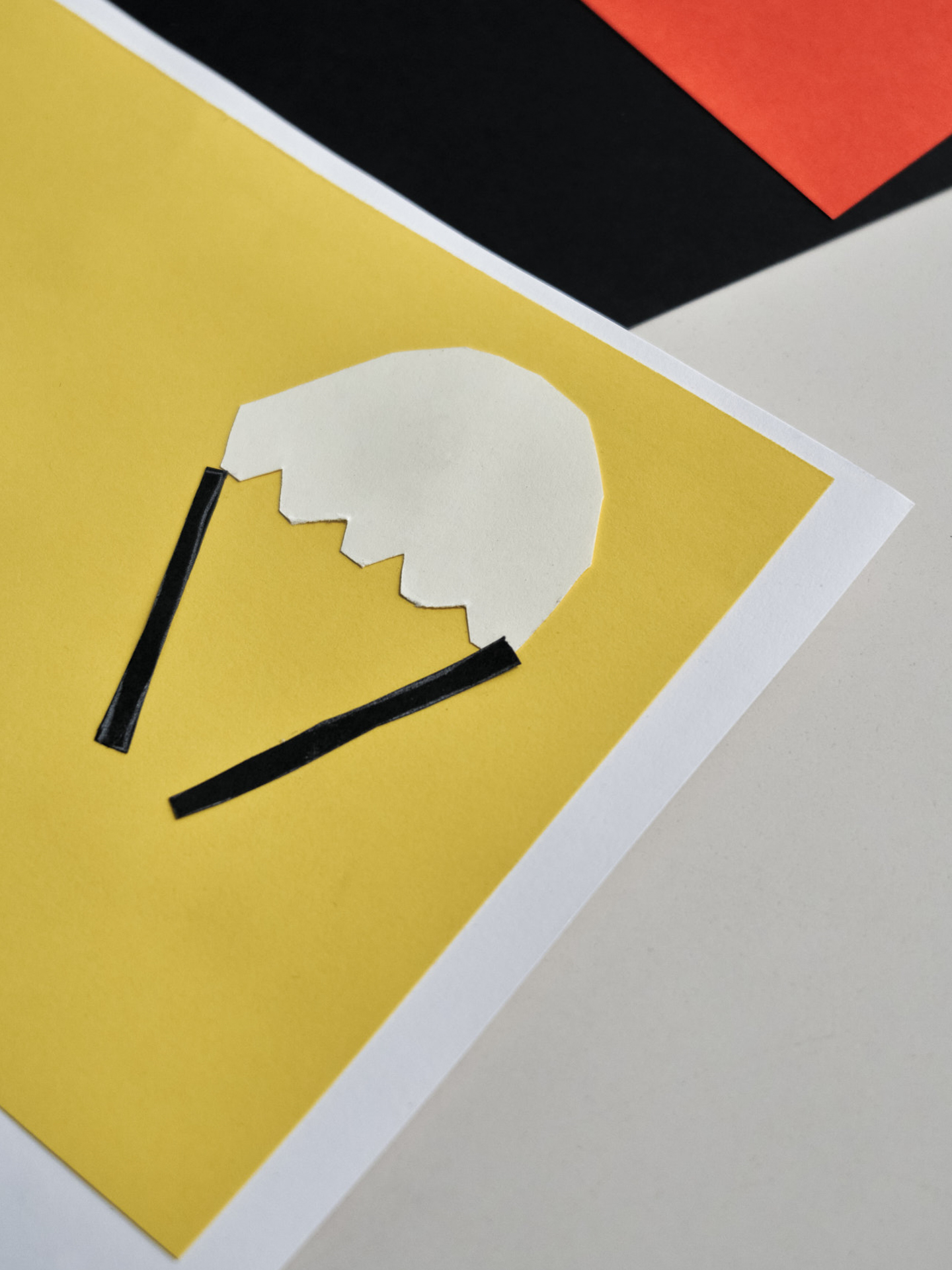
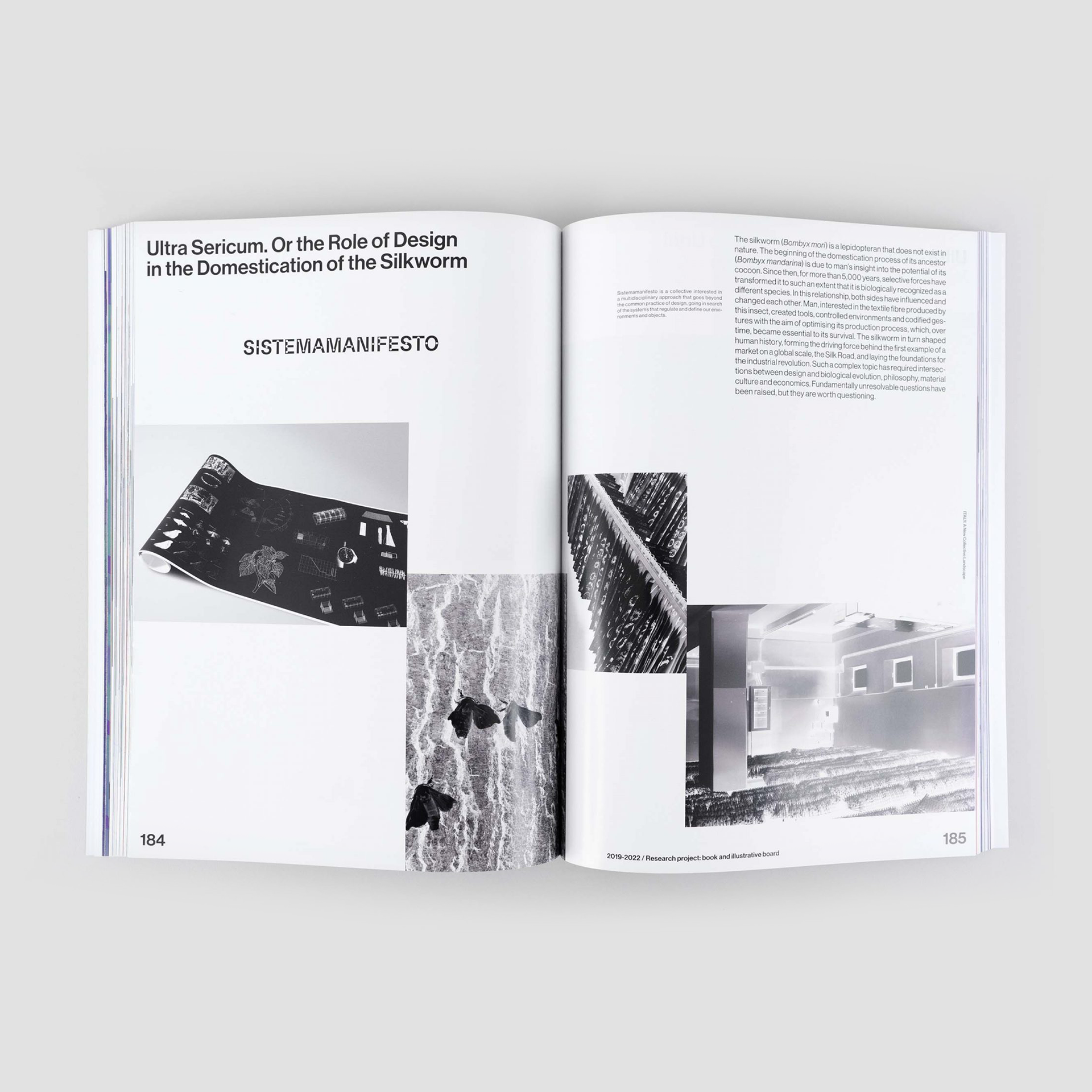
Il nostro contributo è documentato attraverso le tavole espositive (M)(N)(O),
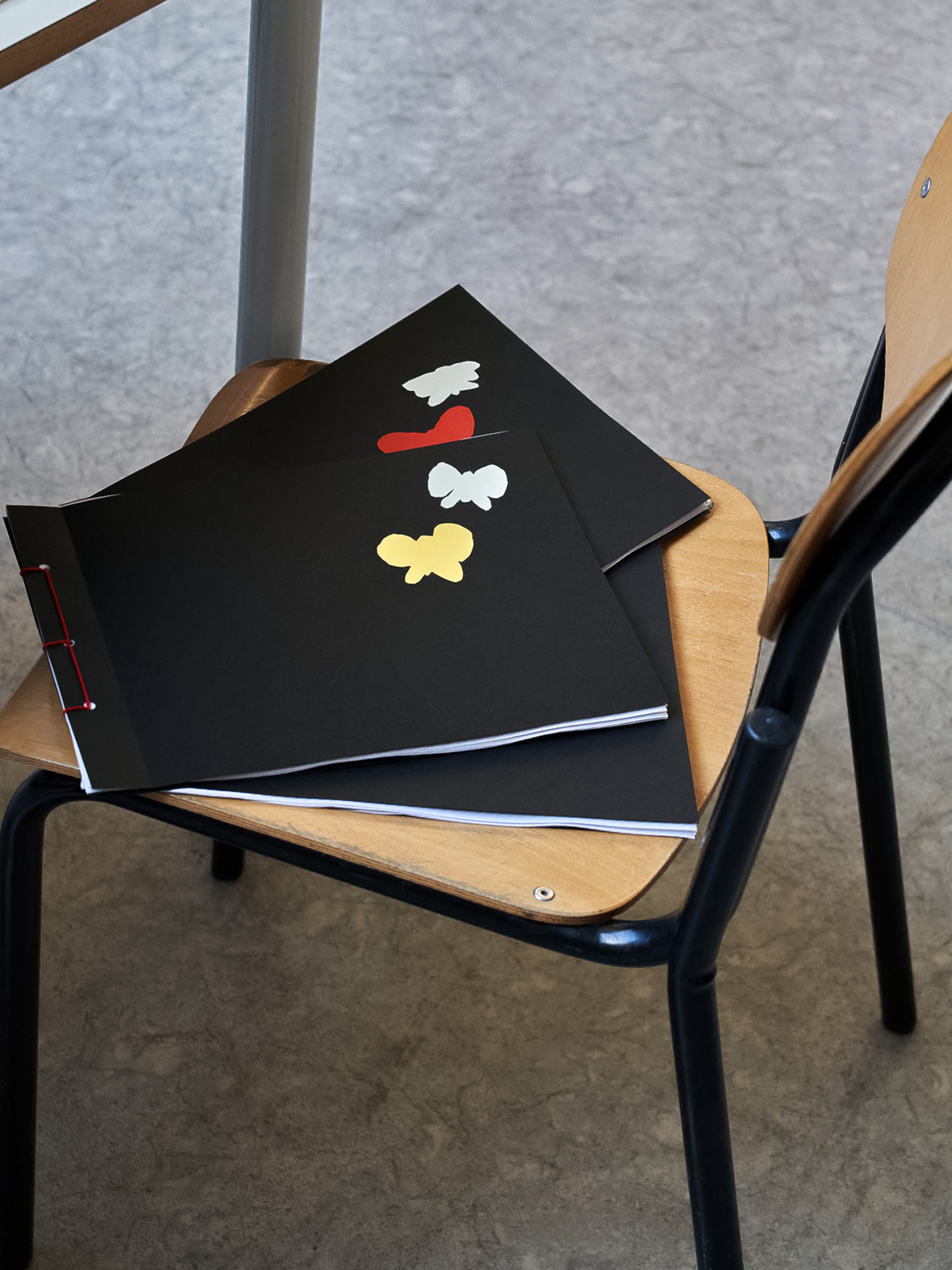
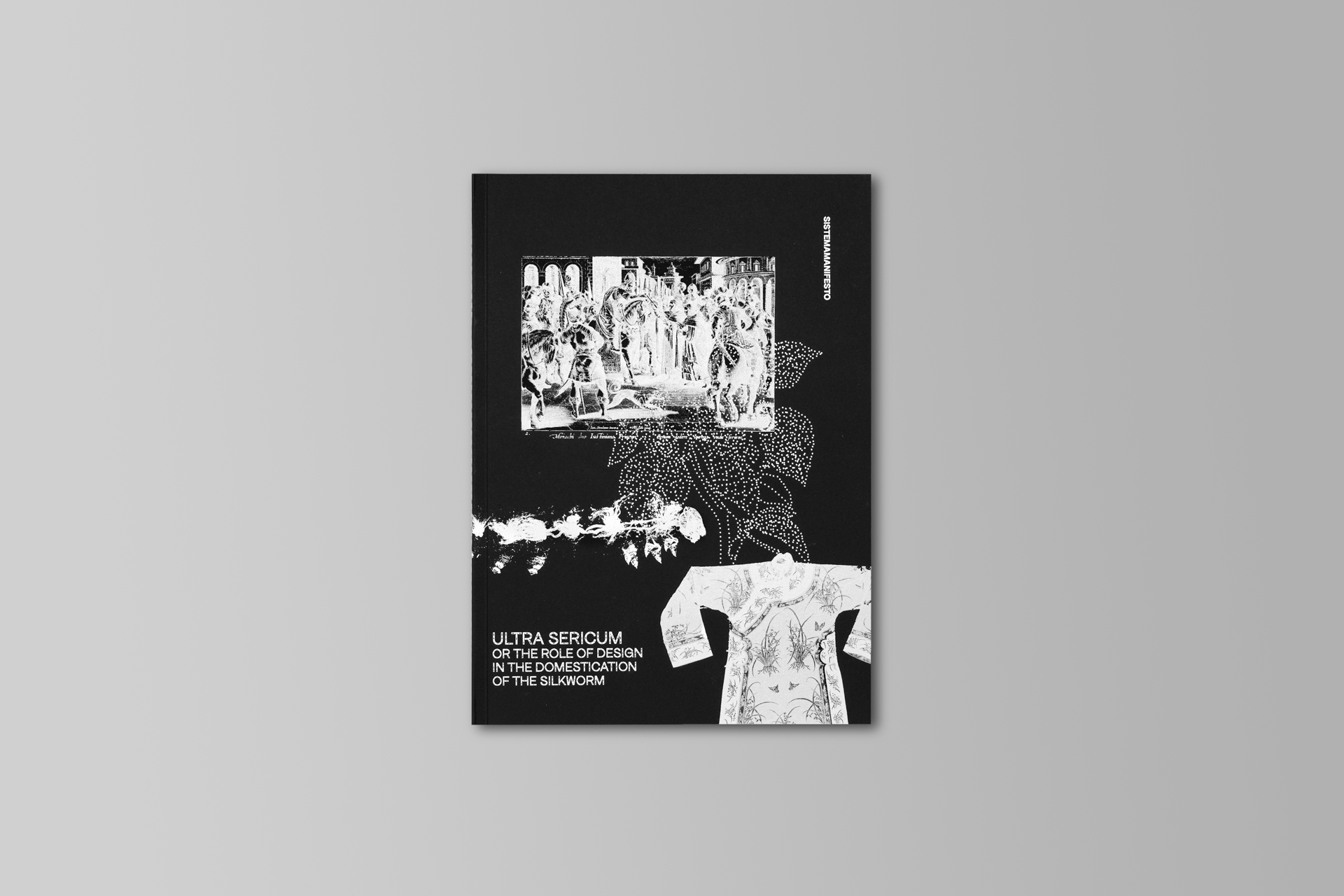
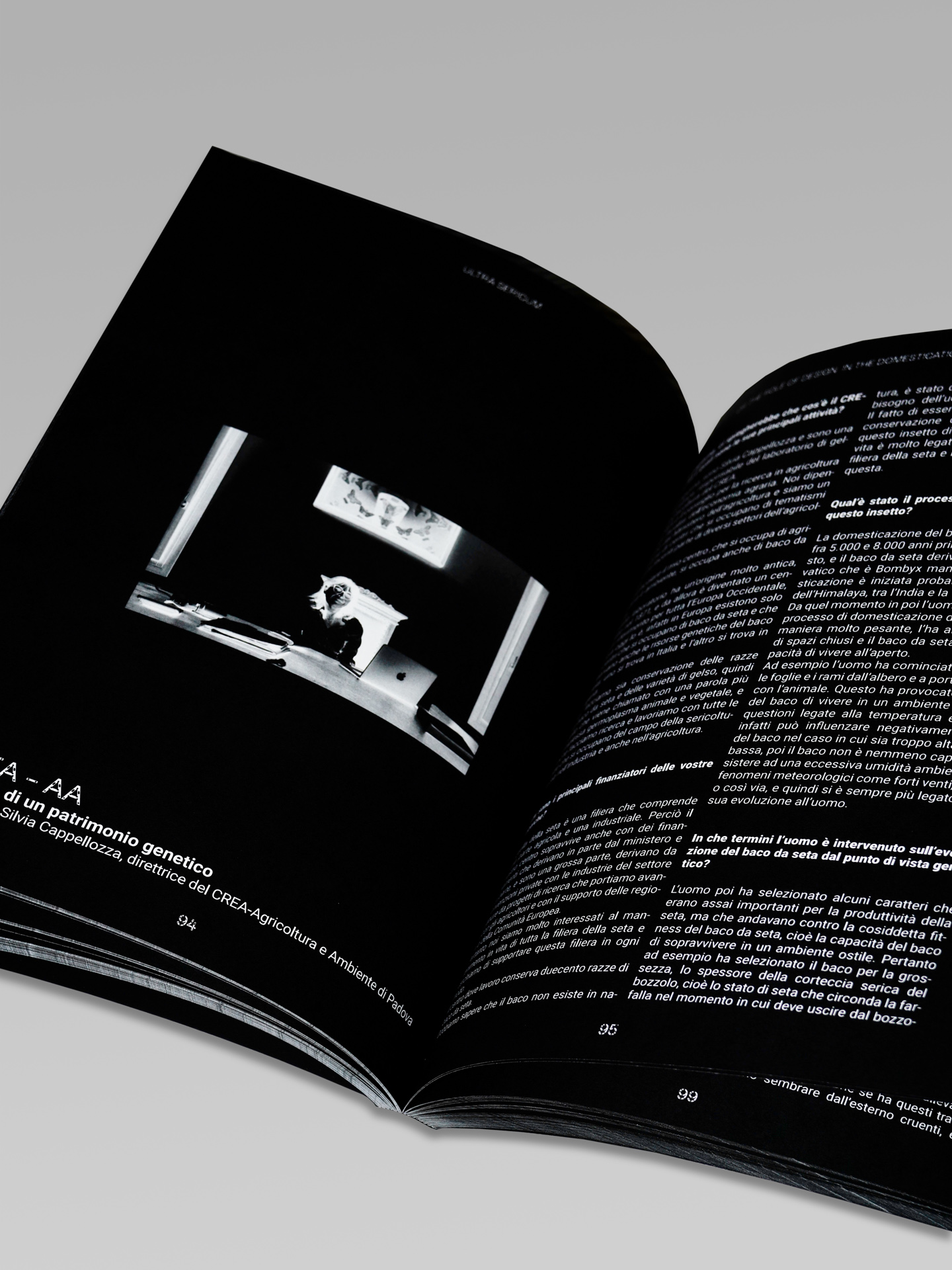
il libro di ricerca (P)(Q)(R)(S) e il catalogo ufficiale della mostra (T)(U).
Dopo il debutto milanese, l’esposizione ha intrapreso un tour internazionale presso l’Hong Kong Design Institute e lo Shanghai EXPO Cultural Park.
ENG
In 2023, we participated in "ITALY: A New Collective Landscape," the exhibition curated by Angela Rui (with Elisabetta Donati de Conti and Matilde Losi) at the ADI Design Museum in Milan. The exhibition gathers responses from under-35 Italian designers to contemporary ecological and social challenges, presenting design as a tool for transition and social practice.
Our contribution is documented through the exhibition panels (M)(N)(O),
the research book (P)(Q)(R)(S), and the official exhibition catalogue (T)(U).
Following its Milanese debut, the exhibition embarked on an international tour at the Hong Kong Design Institute and the Shanghai EXPO Cultural Park.


ITA
Nel corso del 2021, abbiamo sviluppato una serie di laboratori focalizzati sull'analisi visiva delle dinamiche di domesticazione e sfruttamento.
L'indagine non si è limitata al mondo animale, ma ha esteso lo sguardo al regno vegetale e ad altre forme di vita, rintracciando similitudini e necessità comuni in diverse aree geografiche.
Attraverso l’uso dell’immagine come strumento critico (G)(H)(I), abbiamo esplorato come questi processi generino relazioni e pregiudizi antropocentrici che influenzano, spesso inconsciamente, la nostra percezione della realtà.
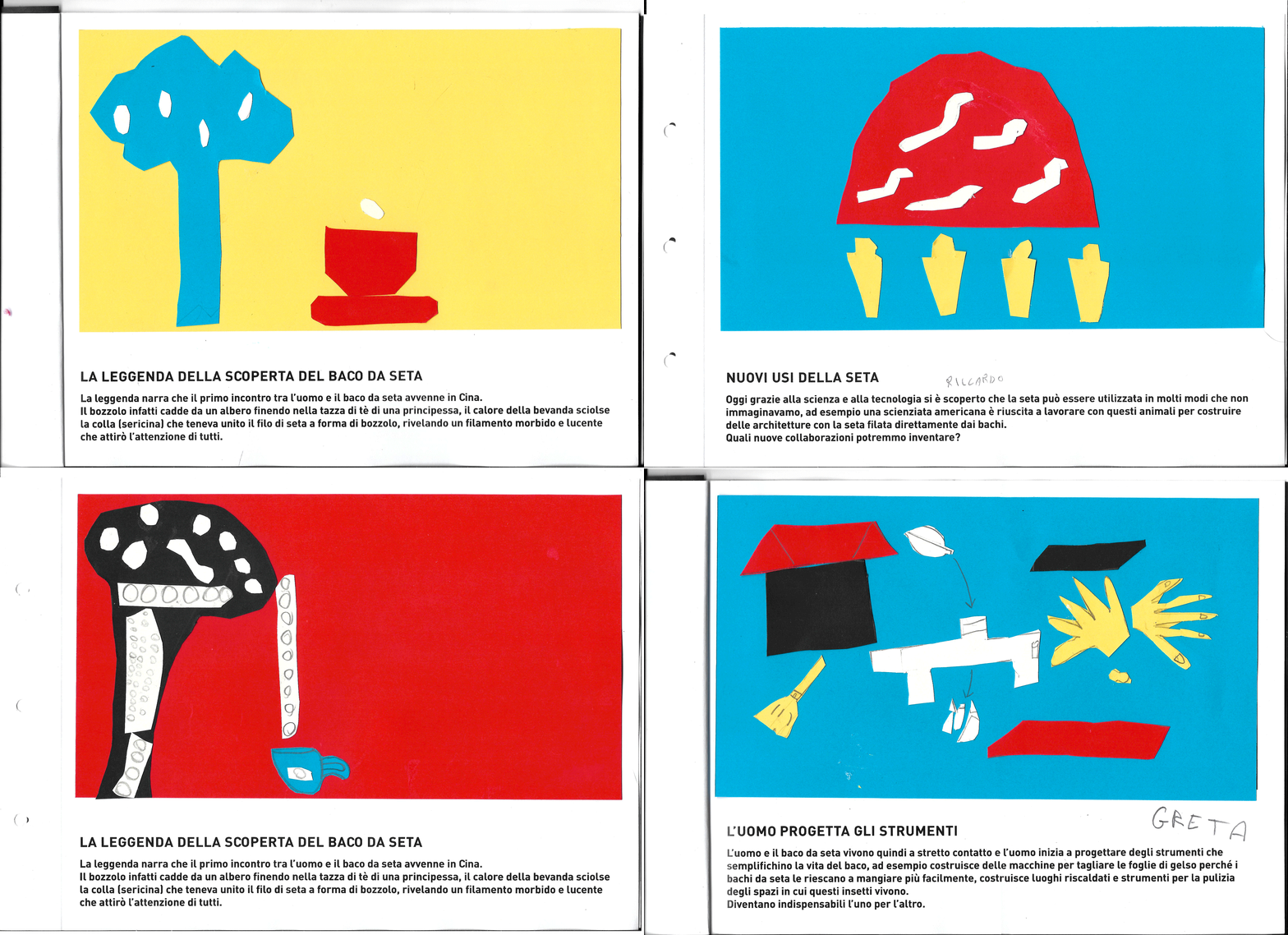
Con i gruppi di studenti più giovani, l'approccio è diventato narrativo e manuale attraverso la tecnica del collage (J)(K)(L).
Abbiamo ricostruito la storia millenaria del baco da seta: un percorso che intreccia i miti delle origini alle antiche tecniche di allevamento, fino alle frontiere della bio-architettura contemporanea con le sperimentazioni di Neri Oxman. Analizzando la biologia del baco e gli strumenti che ne regolano il ciclo vitale, i ragazzi hanno potuto visualizzare l'evoluzione di un rapporto millenario tra specie diverse.
ENG
During 2021, we developed a series of workshops focused on the visual analysis of the dynamics of domestication and exploitation.
The investigation was not limited to the animal world but extended its gaze to the plant kingdom and other life forms, tracing common similarities and necessities across different geographical areas.
Through the use of imagery as a critical tool (G)(H)(I), we explored how these processes generate anthropocentric relationships and prejudices that, often unconsciously, influence our perception of reality.
With the younger groups of students, the approach became narrative and manual through the technique of collage (J)(K)(L).
We reconstructed the millenary history of the silkworm: a journey that intertwines origin myths and ancient breeding techniques with the frontiers of contemporary bio-architecture and the experiments of Neri Oxman. By analyzing the biology of the silkworm and the tools that regulate its life cycle, the students were able to visualize the evolution of a thousand-year-old relationship between different species.